When it comes to maintaining the beauty and longevity of your car, interior detailing should be high on your list of priorities. Over time, dirt, grime, and wear can take a toll on your vehicle’s interior, making it look old and worn out. Luckily, car interior detailing can restore that “like-new” feel, both in terms of cleanliness and comfort. Whether you plan on doing it yourself or hiring a professional, understanding the step-by-step process is essential for achieving the best results.
In this guide, we’ll walk you through the entire car interior detailing process—from deep cleaning to protecting your surfaces. Grab your supplies and let’s get started!
What Is Car Interior Detailing?
Car interior detailing is a comprehensive cleaning process that focuses on every surface of your car’s interior. Unlike a regular car wash, which typically only cleans the exterior, detailing targets both the visible and hidden areas of your car’s interior, ensuring every corner is spotless. The goal is to restore and maintain the appearance of the interior surfaces, keeping them fresh and functional for as long as possible.
Why Is Interior Detailing Important?
Keeping your car’s interior clean has more benefits than just aesthetic appeal. Here’s why interior detailing is essential:
- Prolongs the lifespan of upholstery and other materials.
- Improves air quality by removing dust, allergens, and bacteria.
- Enhances comfort with a fresh, clean environment.
- Maintains vehicle value when it’s time to sell or trade-in.
Essential Tools and Supplies for Car Interior Detailing
Before diving into the detailing process, make sure you have all the necessary tools and supplies. Here’s a quick checklist:
- Vacuum cleaner with attachments
- Microfiber cloths
- Cleaning brushes (various sizes)
- Interior cleaner (for plastic and vinyl)
- Leather cleaner/conditioner (if you have leather seats)
- Fabric cleaner (for upholstery)
- Glass cleaner
- Protectant spray (for plastics and vinyl)
- Odor eliminator
Step 1: Remove All Trash and Personal Items
The first step in any detailing process is to clear out the vehicle. Remove all personal items, trash, and any items that may be cluttering up your car. This includes:
- Seat covers
- Trash or recyclables
- Floor mats
- Any personal belongings like phone chargers, cups, or bags
Step 2: Vacuum the Interior
Once the clutter is cleared, grab your vacuum cleaner. You want to vacuum every inch of the interior, starting with the seats and then moving to the floors, dashboard, and hard-to-reach areas like between the seats.
- Use a brush attachment to lift dirt from fabric or upholstery.
- Use a crevice tool for tight spots such as door pockets, between seats, and in the console.
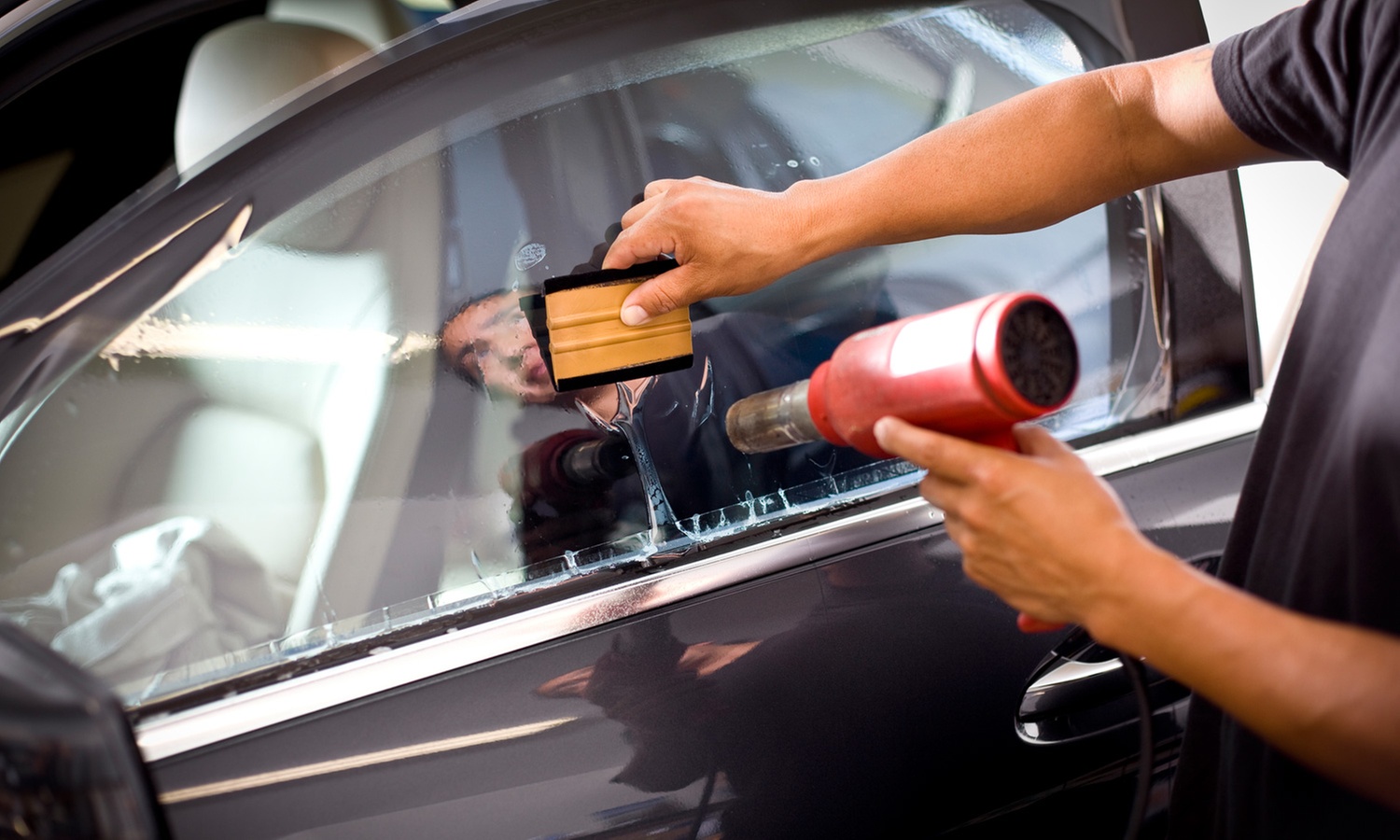
Pro tip: For an added touch, consider using a vehicle window tinting near me service to reduce heat buildup and fading, making your cleaning efforts last longer.
Step 3: Clean the Carpets and Upholstery
Once the vacuuming is done, it’s time to deep clean the upholstery and carpets.
- For fabric seats: Use a fabric cleaner and a brush to scrub any stains or spots. Be sure to wipe away excess cleaner to avoid leaving a residue.
- For leather seats: Use a leather cleaner followed by a conditioner to keep the leather soft and shiny.
- For carpets: Use a carpet cleaner or a steam cleaner to tackle any embedded dirt and stains. Afterward, let them dry thoroughly.
Step 4: Clean the Dashboard and Console
The dashboard and center console accumulate dust and grime. Use an interior cleaner and a microfiber cloth to wipe down all surfaces, including the steering wheel, buttons, and knobs. For tougher stains, a gentle cleaning brush can help.
- Wipe down air vents and cup holders.
- Be gentle with screens and buttons—use a soft cloth and avoid harsh chemicals.
Step 5: Clean the Windows and Mirrors
Windows and mirrors can accumulate smudges, fingerprints, and grime, so it’s essential to clean them thoroughly.
- Use a glass cleaner that is safe for automotive use.
- Clean the interior of the windows using a microfiber cloth in a circular motion to avoid streaking.
Step 6: Treat the Door Panels and Trims
Door panels are often overlooked but can collect dust, fingerprints, and dirt. Wipe them down with an appropriate cleaner for the material, whether it’s vinyl, leather, or plastic.
- Use a brush to clean the hard-to-reach areas of the door panels and trims.
Step 7: Clean the Air Vents and Other Small Spaces
Air vents are a common place where dust and dirt can accumulate, and a dirty vent can affect air quality in your car.
- Use a small detailing brush to gently clean each vent.
- Wipe them down with a microfiber cloth after brushing.
Step 8: Apply Protectants
Once your surfaces are clean, you’ll want to protect them from future dirt and wear. Applying protectants to plastic, vinyl, and leather surfaces helps preserve their condition and keeps them looking fresh.
- Use a vinyl or plastic protectant for the dashboard, door panels, and center console.
- Use a leather conditioner for leather seats.
Step 9: Deodorize the Interior
After all that cleaning, your car will need a fresh scent. Choose an odor eliminator or air freshener to remove any lingering smells. You can also use natural options like baking soda or a fresh-scented essential oil diffuser.
Step 10: Reorganize and Replace Floor Mats
Finally, don’t forget the floor mats! Give them a thorough cleaning before replacing them.
- If they’re rubber mats, hose them off and scrub them clean.
- For fabric mats, use the same cleaning solution you used on the upholstery.
Conclusion: Keep Your Car Interior in Top Shape
Car interior detailing is not just about aesthetics—it’s about maintaining your vehicle’s comfort and value. Whether you’re doing it yourself or hiring a professional, the effort you put into keeping your car clean will pay off in the long run. A regularly detailed interior not only looks great but also provides a healthier and more comfortable driving experience.
5 Unique FAQs About Car Interior Detailing
1. How often should I detail my car interior?
It’s recommended to do a deep cleaning every 3-6 months, but regular vacuuming and wiping down surfaces can be done monthly.
2. Can I use household cleaning products for my car’s interior?
While some household cleaners may work, it’s best to use products specifically designed for cars to avoid damaging the materials.
3. Does car interior detailing improve air quality?
Yes, detailing can remove dust, allergens, and bacteria, improving the air quality inside your car.
4. Can I detail my car’s interior in the winter?
Absolutely! Just ensure you’re cleaning in a warm, dry environment, as cold temperatures can affect some cleaning products.
5. How can I maintain a clean car interior between detailing sessions?
Regular vacuuming, using seat covers, and wiping down surfaces can help keep your car interior clean until the next full detailing.